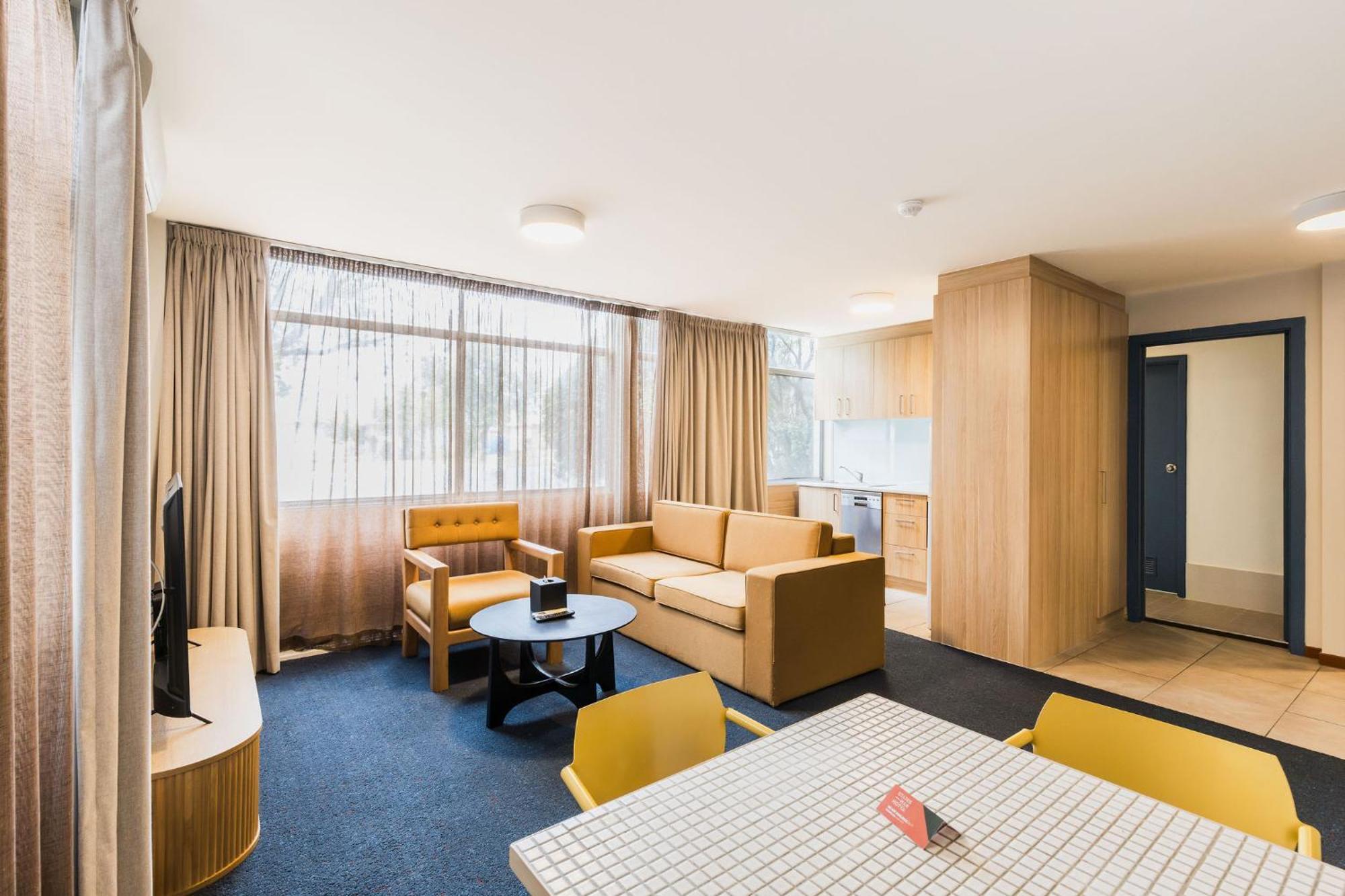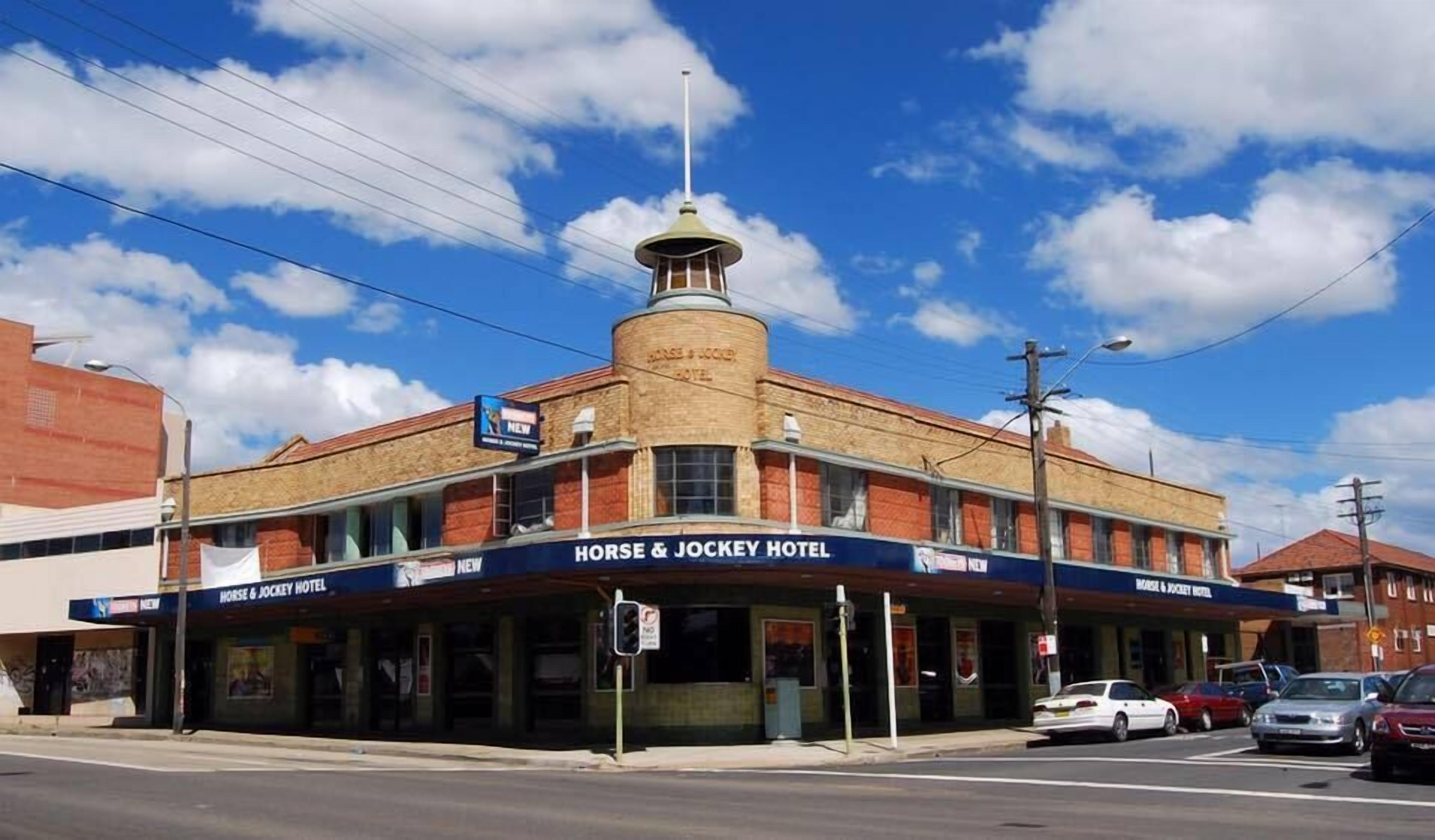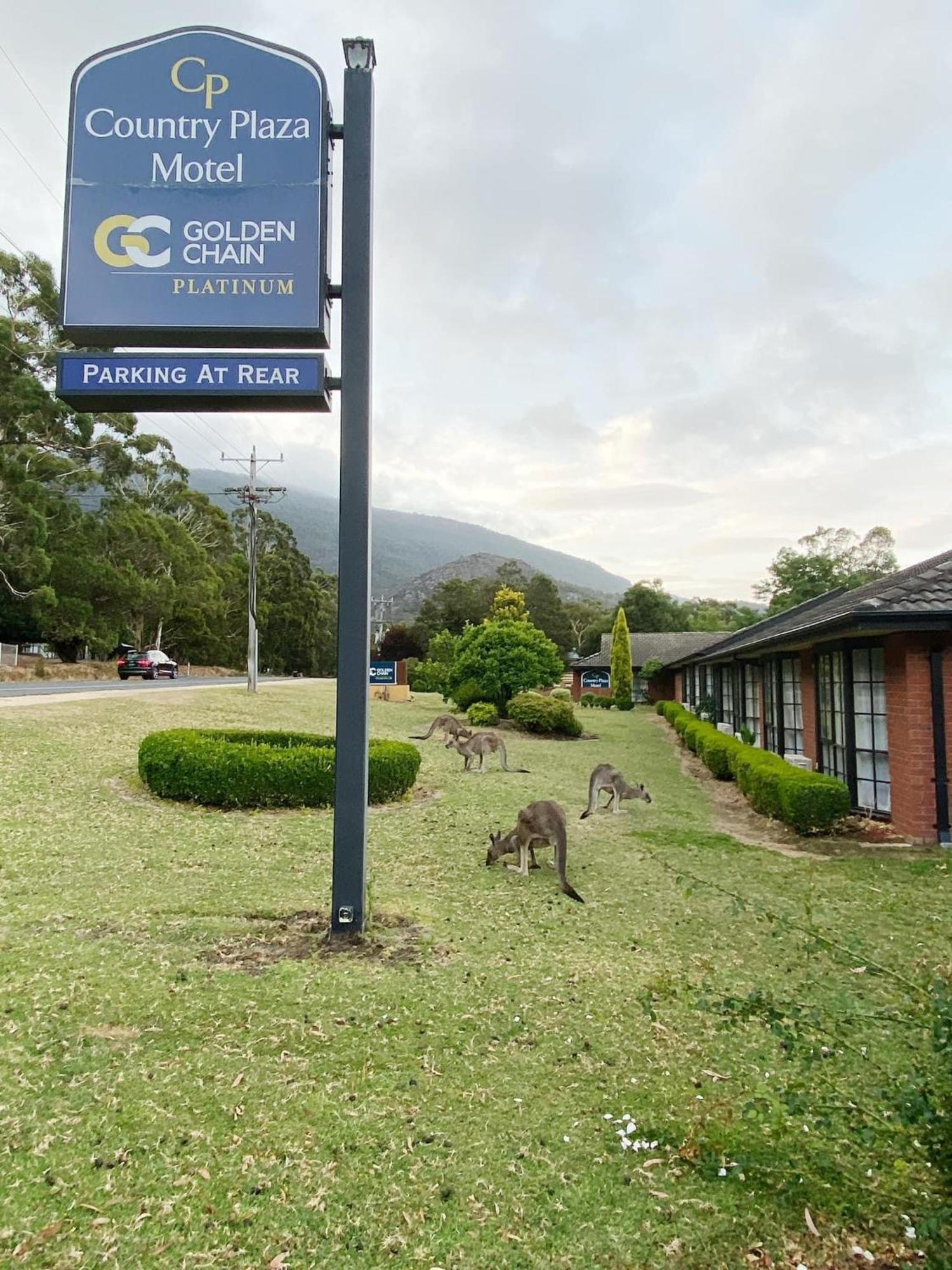
Canberra is Australia's most underrated city break - a compact, planned capital where world-class museums, nature reserves and political landmarks sit within a short drive of each other. Whether you're visiting for a long weekend or a week-long cultural itinerary, these 4 leisure hotels in Canberra offer the space, facilities and positioning to make the most of the city without overpaying.
What It's Like Staying in Canberra
Canberra is a purpose-built capital, and that planning shows in how it functions as a leisure destination. Unlike Sydney or Melbourne, the city is spread across distinct precincts - Civic, Barton, Woden, Gungahlin - meaning most attractions require a car or ride-share rather than walking. The upside is that congestion is minimal, parking is generally free or low-cost, and distances that look large on a map rarely exceed a 15-minute drive. Leisure travellers who arrive with a car will find Canberra refreshingly easy to navigate, while those relying on public transport should plan routes in advance as bus frequency drops significantly on weekends. Canberra rewards explorers who enjoy mixing cultural visits with outdoor activities - the city sits surrounded by nature reserves, making it genuinely dual-purpose for museum-goers and hikers alike.
Pros:
- Free parking at most hotels and major attractions removes a common city-break cost
- Low crowd density at major sites like the National Gallery and Australian War Memorial means a more relaxed visit than in larger capitals
- The compact cultural precinct around Lake Burley Griffin puts around 8 key attractions within a single afternoon's reach
Cons:
- Public transport is limited, especially on weekends, making a car almost essential for leisure travellers
- Canberra's nightlife and dining scene is more subdued compared to Sydney or Melbourne
- School holiday periods and major national events can spike hotel prices and reduce availability quickly
Why Choose Leisure Hotels in Canberra
Leisure-focused hotels in Canberra tend to differentiate themselves through space and self-sufficiency rather than luxury add-ons. Apartment-style properties dominate this category, offering kitchenettes, laundry facilities and separate living areas that make multi-night stays genuinely comfortable - a practical advantage when visiting for cultural immersion or family travel. Self-contained apartment hotels in Canberra typically cost around 20% more than standard rooms but eliminate daily dining costs, which balances out over a 3-night stay. The trade-off is that traditional hotel services like concierge and daily housekeeping may be reduced, but for leisure travellers focused on exploring the city, this is rarely a meaningful loss. Properties positioned in residential suburbs like Woden or Gungahlin also offer a quieter, more local atmosphere that central Civic hotels simply cannot match, with free parking included at virtually every leisure property outside the CBD.
Pros:
- Apartment-style rooms with kitchenettes and laundry reduce overall trip costs for stays of 3 nights or more
- Free parking is standard at most leisure hotels, saving significant daily costs compared to Sydney or Melbourne equivalents
- Family rooms and interconnecting room options are more widely available than in standard city-centre hotels
Cons:
- Suburban leisure hotels require a car to access the main cultural precinct around Lake Burley Griffin
- On-site dining options at apartment-style properties are often limited to a single bistro or bar rather than multiple outlets
- Housekeeping frequency may be reduced compared to traditional hotel stays
Practical Booking & Area Strategy for Canberra
Canberra's leisure accommodation falls into two practical zones: the inner south (Barton, Woden, Manuka), which puts you closest to Parliament House, the National Gallery of Australia and Lake Burley Griffin, and the outer north (Gungahlin), which offers newer properties, quieter surroundings and direct access to parks like Yerrabi Pond. Staying in the inner south cuts drive time to the main cultural corridor to under 10 minutes, while Gungahlin suits travellers who value space and a relaxed pace over proximity. Anzac Parade and Commonwealth Avenue are the two arterial routes connecting most accommodation zones to the cultural precinct - both are fast, well-lit and easy to navigate even at night. Book at least 6 weeks ahead if travelling during the Floriade festival in September or school holiday periods in January, as availability tightens sharply and prices rise. Top leisure draws include the Australian War Memorial, Questacon, the National Zoo and Aquarium, and the walking trails around Lake Burley Griffin - all accessible within a single day if you're based centrally.
Best Value Stays
These properties deliver strong leisure functionality - space, kitchenettes, free parking and family-friendly rooms - at a price point that suits multi-night stays without sacrificing comfort.
-
1. Abode Gungahlin
Show on map


 Check-infrom 14:00 until 20:00Check-outfrom 08:00 until 10:00
Just a few rooms left at the best rate!
fromAU$ 153
-
2. Capital Country Holiday Park
Show on map


 Check-infrom 14:00 until 17:00Check-outfrom 08:00 until 10:00
Just a few rooms left at the best rate!
fromAU$ 178
-
3. Statesman Hotel
Show on map


 Check-infrom 14:00 until 23:59Check-outuntil 10:00
Hurry – almost gone at this price!
fromAU$ 116
Best Premium Stay
For leisure travellers who want a higher specification of in-room facilities, structured dining and a well-connected location in Canberra's inner south, this property delivers consistently across all stays.
-
4. Abode Woden
Show on map


 Check-infrom 14:00 until 22:00Check-outfrom 06:00 until 10:00
Rooms filling fast – secure the best rate!
fromAU$ 116
Smart Travel & Timing Advice for Canberra
Canberra has two clear peak periods that directly affect hotel pricing and availability: the Floriade flower festival in September, which draws large crowds to Commonwealth Park and fills mid-range hotels weeks in advance, and the summer school holiday period across January, when family-oriented properties like apartment hotels book out fast. Outside these windows, Canberra is a relatively calm destination where last-minute deals are possible, particularly in June and July when the cold weather suppresses casual visitor numbers. A stay of 3 nights is the practical minimum to cover Canberra's core leisure itinerary - the Australian War Memorial, National Gallery, Questacon, the National Zoo and Aquarium, and a morning walk or cycle around Lake Burley Griffin - without rushing. Autumn (March to May) offers mild temperatures, thinning crowds and some of the most visually striking scenery in the city as the imported European trees around the lake and parliamentary triangle change colour. Book at least 6 weeks ahead for September and January travel; for all other periods, 2 to 3 weeks is generally sufficient to secure good availability at the property type you want.