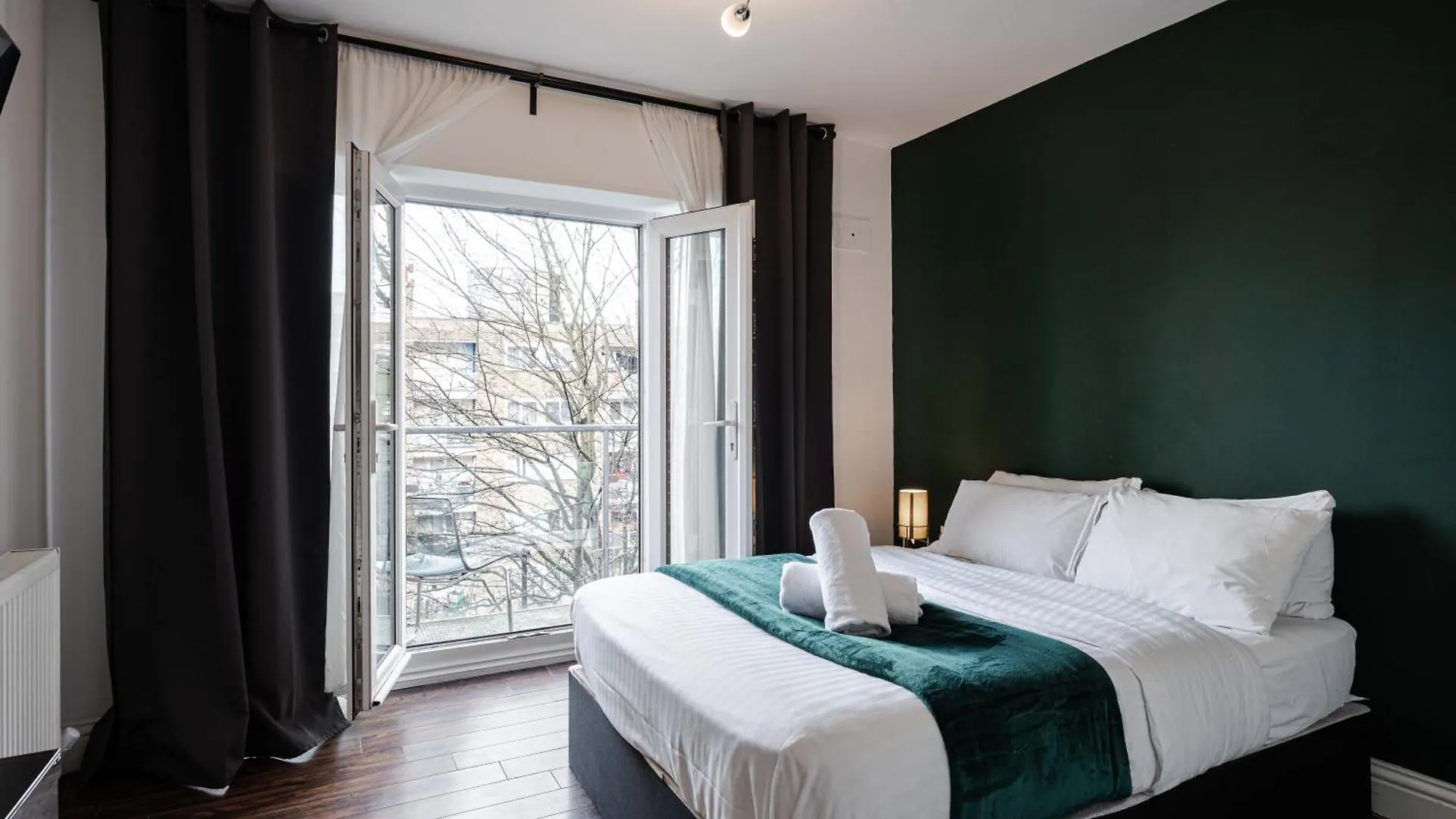
East End London covers a wide corridor of neighbourhoods - Limehouse, Tower Hamlets, Canary Wharf, Docklands, Spitalfields, and Poplar - each with a different street-level feel and a different distance to Central London. Budget and cheap hotels here consistently undercut West End rates while remaining directly connected via the DLR, London Overground, and the Jubilee Line. This guide breaks down which budget properties in East End actually deliver value, how location within the district affects your daily commute and noise levels, and when to book to avoid paying peak prices.
What It's Like Staying In East End
East End is not a single neighbourhood but a layered urban zone stretching from Whitechapel and Spitalfields in the west through to Docklands and Canary Wharf in the east. The DLR and London Overground connect most of the district, meaning a hotel near Limehouse or Blackwall can reach Bank or Liverpool Street in under 15 minutes. Foot traffic varies sharply: streets around Brick Lane and Shoreditch fill with weekend crowds from Friday evening, while the Docklands waterfront is calm on weekends when the finance workers leave.
Staying here suits travellers who want lower nightly rates without sacrificing transport access - budget rooms in East End regularly cost around 40% less than equivalent properties in Central London or the South Bank. Those expecting a classic tourist bubble or proximity to the West End theatres may find the distances less convenient than the DLR journey times suggest.
Pros:
- * Direct DLR and Overground access to Bank, Liverpool Street, and London Bridge without changing lines
- * Significantly lower nightly rates than West End or City fringe hotels of the same standard
- * Close proximity to Brick Lane, Spitalfields Market, Museum of London Docklands, and Victoria Park
Cons:
- * Some sub-areas (Poplar, parts of Tower Hamlets) feel quieter and less served by late-night food and entertainment options
- * Weeknight bus frequency drops after midnight in several East End zones
- * Walking to Central London sights like the Tower of London or Borough Market takes over 30 minutes on foot from most East End hotels
Why Choose Budget Hotels In East End
Budget hotels in East End offer something specific that Central London cannot: space-conscious but functional rooms at a price that leaves room in the travel budget for experiences. The typical budget room in East End runs between £60 and £90 per night, compared to around £130 or more for similar standard rooms near Oxford Street. The trade-off is room size - most budget properties here run compact double rooms designed for sleeping and working, not lounging - but soundproofing has improved significantly across the newer Ibis and Point A stock. Properties near Canary Wharf also skew toward business travellers mid-week, which means weekend rates can drop noticeably.
What differentiates East End budget hotels from their Paddington or Kings Cross counterparts is the direct waterfront and financial district access via the DLR, making them particularly suited to anyone attending ExCeL London, the O2, or working in Canary Wharf. The main trade-off is that some East End budget hotels are surrounded by commercial and light-industrial streets rather than traditional London tourist streetscapes.
Pros:
- * Nightly rates that are consistently lower than comparable budget stock in Zone 1 or the South Bank
- * DLR access gives fast connections to the O2, ExCeL London, and Greenwich without Underground changes
- * Several properties include free WiFi, 24-hour front desks, and soundproofed rooms as standard
Cons:
- * Compact room formats are the norm - most budget double rooms in the area offer limited storage and no lounge space
- * Mid-week demand from business travellers in the Canary Wharf corridor can push up prices during weekdays
- * Dining options within walking distance of Docklands and Limehouse budget hotels are limited in the evenings
Practical Booking & Area Strategy
Within East End, positioning matters more than the district label. Hotels on or near the DLR corridor - particularly around Blackwall Station, Limehouse DLR, and West India Quay - give the tightest connection to both Canary Wharf and the City, with journey times under 12 minutes to Bank station. Hotels closer to Whitechapel Road and Commercial Road offer faster bus and Overground access to Shoreditch, Liverpool Street, and the Elizabeth Line. For weekend stays focused on Brick Lane, Spitalfields Market, or the street art circuit along Hanbury Street, properties near Liverpool Street cut your daily walking to under 10 minutes.
East End has genuine appeal: the Museum of London Docklands at West India Quay documents the area's trading history and is free to enter; Victoria Park in Bethnal Green is one of London's largest green spaces; and the Canary Wharf Winter Lights Festival draws large crowds each January. Book at least 6 weeks ahead for summer (June-August) and during major ExCeL or O2 events - these are the periods when budget stock in East End sells out fastest. February is consistently the lowest-demand month, with nightly rates dropping around 30% below summer highs.
Best Value Stays
These properties offer the lowest entry price points in East End while maintaining practical room standards and solid transport access - a realistic base for budget-conscious travellers who need connectivity over comfort extras.
-
1. City Gate Guest House
Show on map


-
2. Park Avenue Hotel
Show on map


-
3. Wns Skylines Village
Show on map


Best Mid-Range & Premium Budget Picks
These East End properties sit at a slightly higher price point but deliver meaningfully better room quality, stronger transport positioning, or branded reliability that justifies the uplift for travellers who value predictability over the lowest possible rate.
-
4. The Royal Foundation Of St Katharine
Show on map


-
5. Ibis London Docklands Canary Wharf
Show on map


-
6. Point A Hotel London Canary Wharf
Show on map


-
7. Point A London Liverpool Street
Show on map


Smart Travel & Timing Advice for East End
East End hotel prices follow a clear annual rhythm driven by two forces: summer leisure tourism peaking in July and August, and year-round business demand from the Canary Wharf financial corridor. February is the lowest-cost booking window - demand from both segments drops simultaneously, and nightly rates can fall around 30% below summer averages. For summer stays, booking 6 weeks in advance is the minimum buffer to secure budget stock before it sells out; properties near Blackwall and West India Quay sell out fastest during O2 Arena concert weekends and major ExCeL London events, which can cluster several weeks per season. Midweek check-ins (Tuesday or Wednesday) consistently return lower rates at Canary Wharf-corridor properties like Ibis and Point A, where business travellers vacate rooms over the weekend.
Three nights is the practical minimum to get value from an East End base - one full day absorbs the Docklands, Museum of London Docklands, and the waterfront walk to Greenwich via DLR; a second day covers Brick Lane, Spitalfields Market, and the Columbia Road Flower Market (open Sunday mornings only); a third opens up Victoria Park or a tube ride west to the City and Tower of London. Last-minute booking in East End can pay off in January and November, but is a high-risk strategy from April onward when occupancy climbs sharply across all budget tiers.