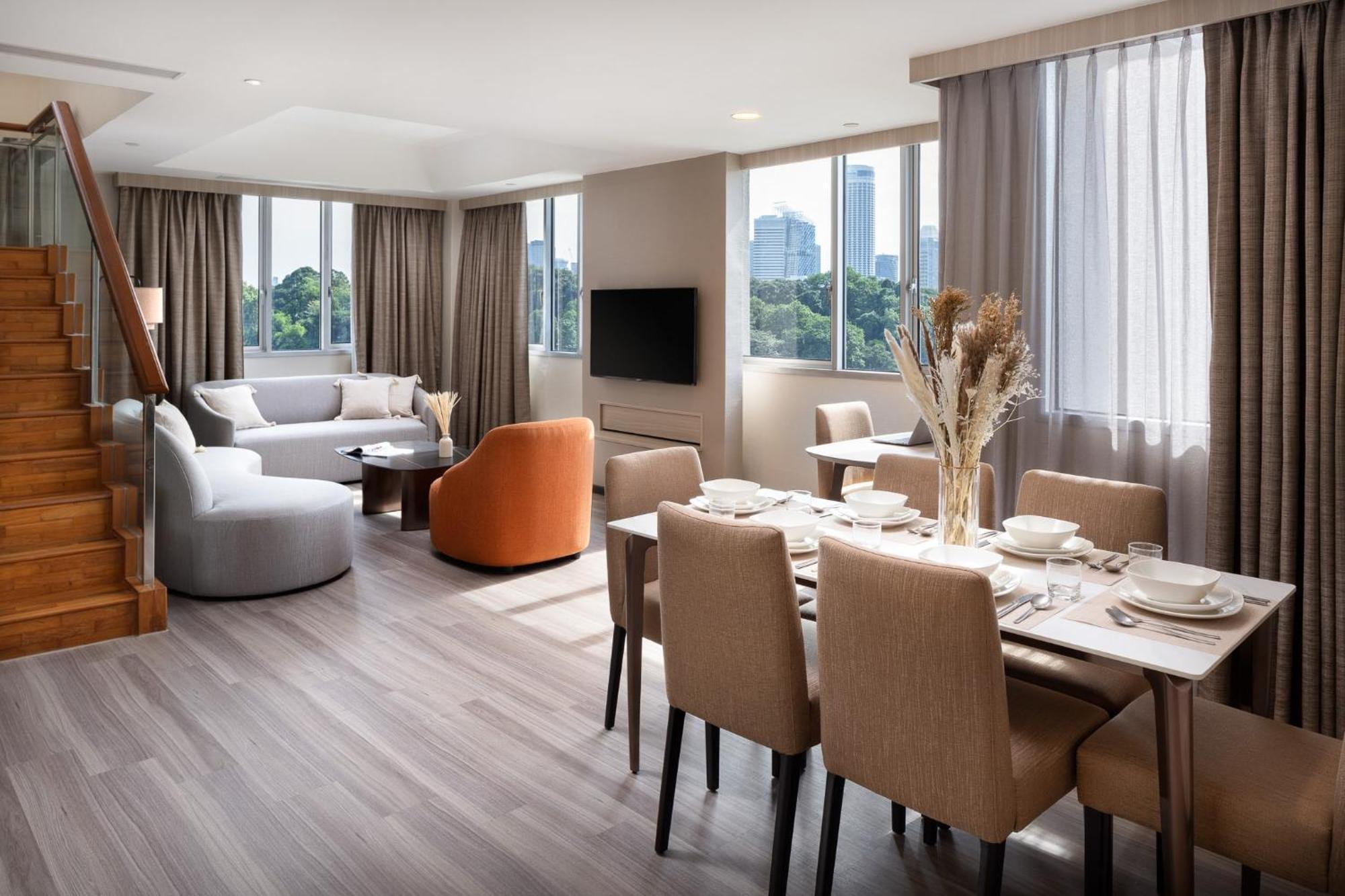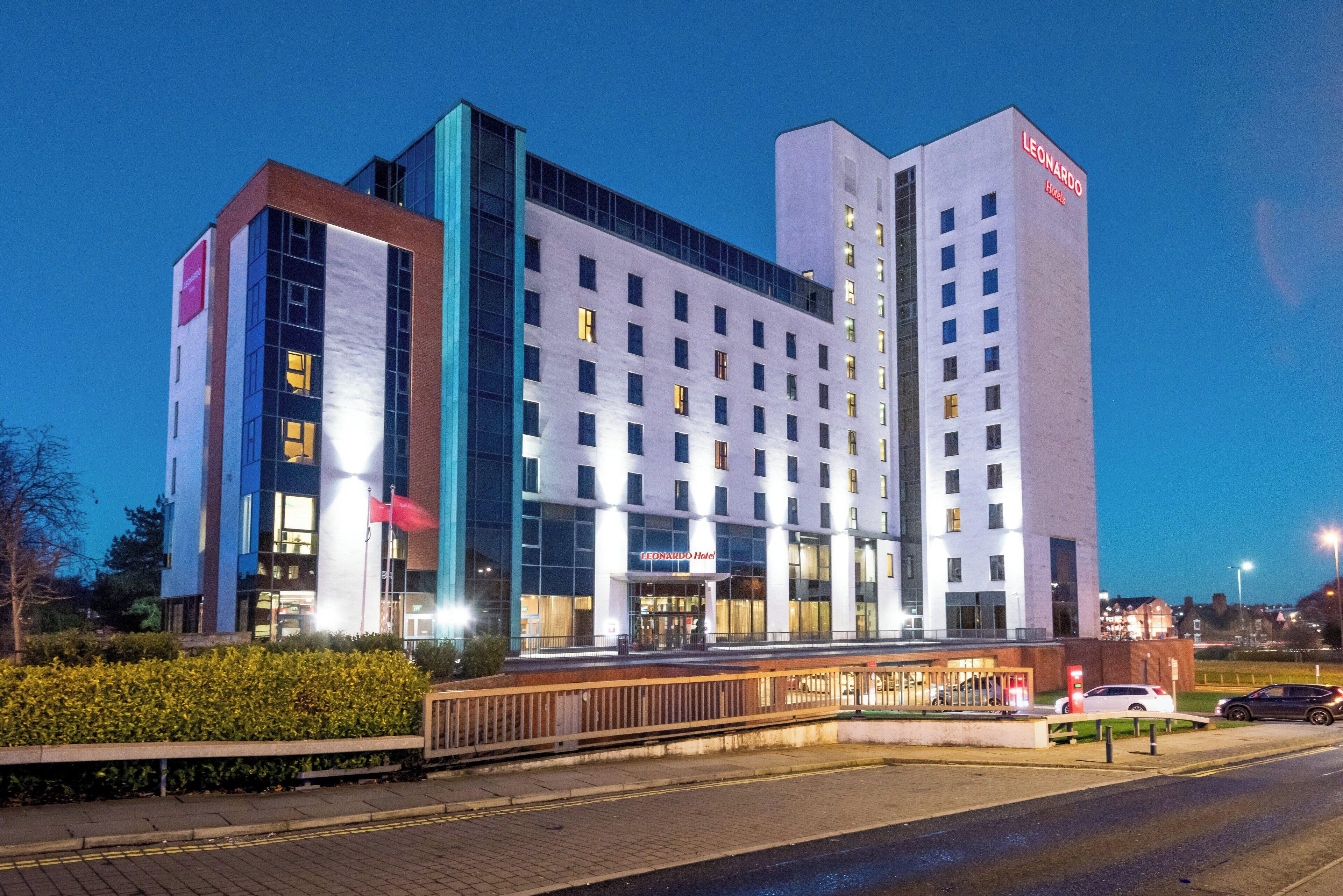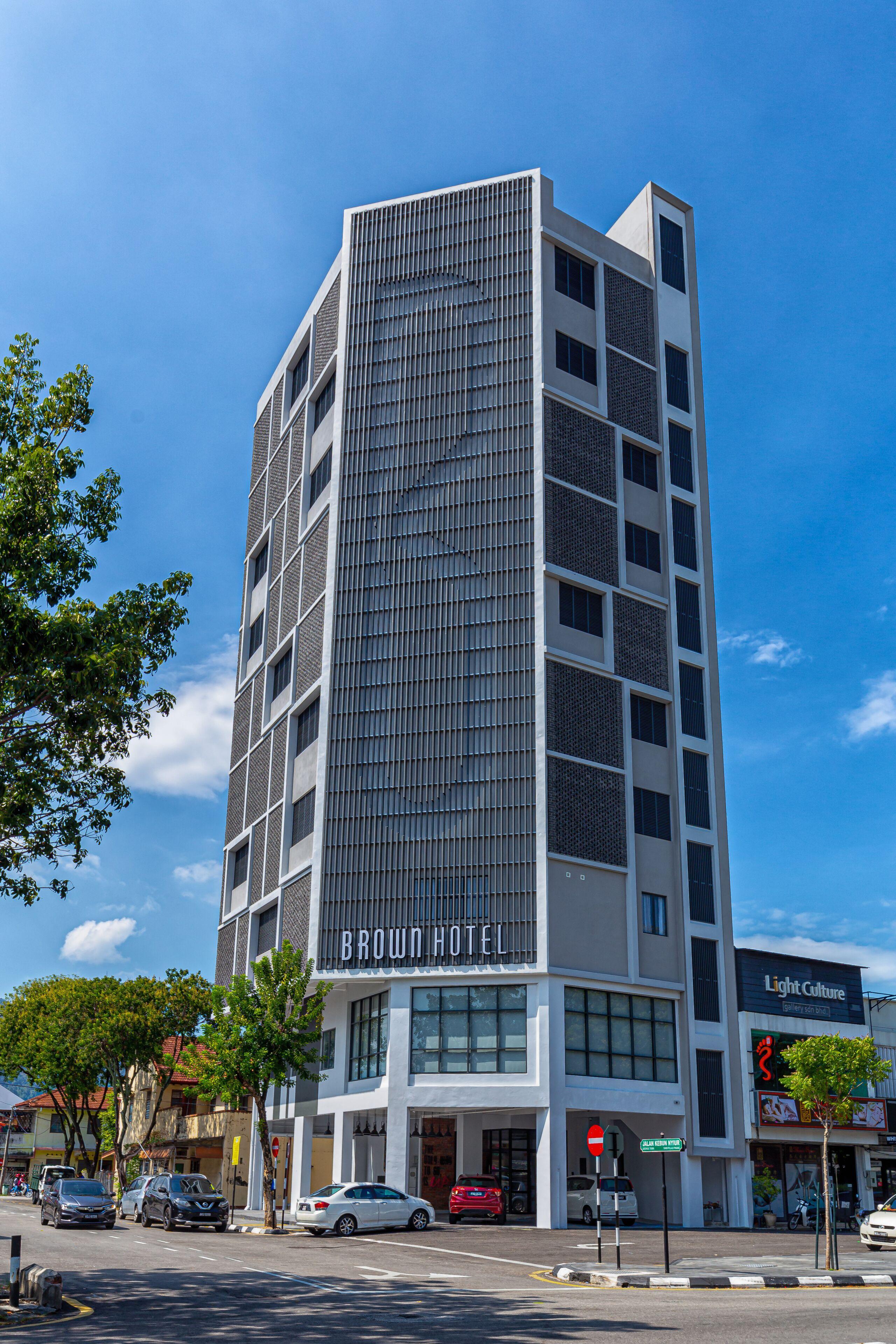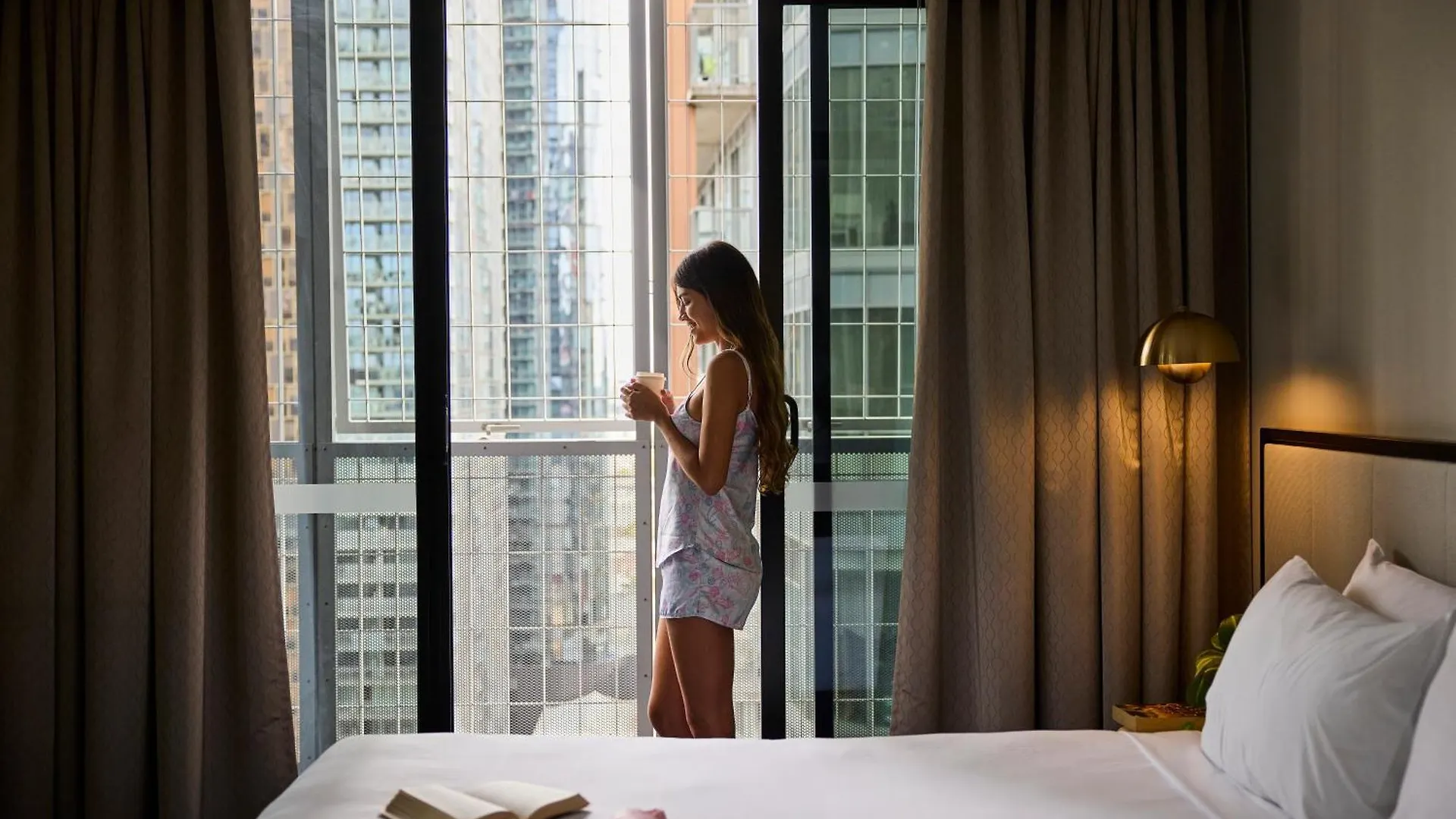
Melbourne CBD concentrates an unusually dense network of tram lines, laneways, dining, and major venues within a walkable grid - which makes choosing the right central hotel a decision about logistics as much as comfort. These 10 properties span William Street on the western edge to Russell Street in the east, and from the Flagstaff Gardens precinct down to the Southbank riverfront. Whether you need a full kitchen for a week-long stay or a rooftop gym with skyline views before a corporate meeting, the options here are specific enough to matter.
What It's Like Staying In Melbourne CBD
Melbourne CBD operates on a tight, walkable grid - most hotel guests can reach Flinders Street Station, Bourke Street Mall, or Federation Square on foot in under 15 minutes from any central property. The free City Circle tram loops the outer edge of the CBD, and the entire inner-city tram network is free within the designated fare zone, which covers most major hotels on this list. Crowds are densest between Swanston Street and Spencer Street during weekday rush hours, while the eastern side of the CBD - around Collins, Russell, and Bourke Streets - stays active later into the evening with restaurants and theatre traffic. Visitors who need quiet after 10pm may find street-facing rooms on Bourke Street or near Crown Casino noisier than expected; those in upper-floor apartments facing the park or river will notice a significant difference.
Pros:
* Free tram access across the inner city reduces daily transport costs significantly
* Walking distance to Federation Square, Queen Victoria Market, Marvel Stadium, and Crown Casino without needing a vehicle
* High concentration of dining options per city block - from Chinatown on Little Bourke Street to the restaurant-dense Southbank promenade
Cons:
* Street-level noise from trams and weekend nightlife is a real factor in rooms below level 10
* CBD hotel parking typically costs an additional AUD $50-60 per night, making it expensive for car-travelling guests
* The western CBD around King Street and Spencer Street feels less polished at night compared to the Collins Street or Swanston Street corridors
Why Choose Central Hotels In Melbourne CBD
Central hotels in Melbourne CBD cover a wide spectrum - from self-contained apartment-style properties with full kitchens and in-unit laundry (better value for stays over 4 nights) to full-service hotels with on-site restaurants, gyms, and concierge access. Apartment-style hotels in the CBD typically offer around 40% more floor space than equivalent standard hotel rooms at a comparable price point, which matters for longer stays or groups. The trade-off is that many apartment properties have reduced or no daily housekeeping, no restaurant on-site, and more limited front desk hours compared to branded full-service hotels. Noise from trams on Swanston Street and foot traffic near major retail corridors (Bourke Street Mall, Melbourne Central) is a consistent factor in street-facing rooms across all categories.
Pros:
* Apartment-format hotels give genuine self-sufficiency - full kitchens, washing machines, and balconies at CBD addresses
* Full-service hotels in the CBD include 24-hour room service, concierge, and on-site dining - useful when arriving late from interstate or international flights
* Proximity to the tram free zone means no transport costs for most daily city movements
Cons:
* CBD hotel rates spike sharply during the Australian Open (January), Melbourne Cup Carnival (November), and major Marvel Stadium events
* Room sizes in standard hotel categories (not apartment-style) can be compact relative to the nightly rate
* Some CBD properties charge additional resort or facility fees on top of the listed room rate
Practical Booking & Area Strategy
The strongest micro-location within Melbourne CBD for hotel stays is the southeast quadrant - east of Swanston Street and south of Little Bourke Street - giving walkable access to Federation Square, Flinders Street Station, the Arts Centre, and Southbank without the noise concentration of the Spencer Street or King Street western edge. Collins Street between Spring Street and Swanston Street is the most prestige corridor, while Little Bourke Street (Chinatown) and Russell Street offer a denser restaurant environment within seconds of your lobby. Book at least 6 weeks ahead for any stay during the Australian Open in January or Melbourne Cup week in November - both events push CBD hotel prices up by around 80% and reduce availability significantly. For everyday stays, June through August is the quietest pricing window, with midweek rates noticeably lower than weekends. The CBD's free tram zone means guests staying anywhere between Spencer Street Station and Spring Street can reach the MCG, Royal Botanic Gardens, Crown Casino, and Queen Victoria Market without paying for transport - a practical saving across a multi-night stay. Key attractions within easy reach include Federation Square (cultural hub and events venue), Eureka Tower observation deck, National Gallery of Victoria, and the Royal Botanic Gardens just south of the river. Southbank properties on this list sit just outside the strict CBD grid but provide riverside access and quieter street-level noise compared to mid-city blocks.
Best Value Stays
These properties deliver strong CBD positioning with practical self-contained features or solid amenities at accessible price points - the right call for independent travellers, longer stays, or groups wanting space over ceremony.
-
1. Brady Hotels Jones Lane
Show on map


 Check-infrom 14:00 until 23:59Check-outuntil 10:00
Just a few rooms left at the best rate!
fromAU$ 158
-
2. Punthill Apartment Hotel - Little Bourke
Show on map


 Check-infrom 14:00 until 20:00Check-outfrom 08:00 until 10:00
Just a few rooms left at the best rate!
fromAU$ 84
-
3. Punthill Apartment Hotel - Manhattan
Show on map


 Check-infrom 14:00 until 23:59Check-outuntil 10:00
Just a few rooms left at the best rate!
fromAU$ 180
-
4. Imagine Marco
Show on map


 Check-infrom 14:00 until 23:59Check-outuntil 10:00
Just a few rooms left at the best rate!
fromAU$ 134
-
5. Quest Southbank
Show on map


 Check-infrom 14:00 until 23:59Check-outuntil 10:00
Hurry – almost gone at this price!
fromAU$ 163
Best Premium Stays
These five properties deliver full-service hotel infrastructure - on-site dining, rooftop or pool amenities, concierge, and 24-hour operations - at CBD addresses where proximity to major landmarks is built into the rate.
-
6. Flagstaff Gardens Hotel Melbourne
Show on map


 Check-infrom 15:00 until 23:59Check-outuntil 11:00
Hurry – almost gone at this price!
fromAU$ 156
-
7. Mantra On Russell
Show on map


 Check-infrom 14:00 until 23:59Check-outuntil 10:00
Hurry – almost gone at this price!
fromAU$ 203
-
8. Novotel Melbourne Central
Show on map


 Check-infrom 14:00 until 23:59Check-outuntil 11:00
Rooms filling fast – secure the best rate!
fromAU$ 181
-
9. Novotel Melbourne On Collins
Show on map


 Check-infrom 14:00 until 23:59Check-outuntil 11:00
Rooms filling fast – secure the best rate!
fromAU$ 174
-
10. Crown Promenade Melbourne
Show on map


 Check-infrom 15:00 until 23:59Check-outuntil 11:00
Rooms filling fast – secure the best rate!
fromAU$ 251
Smart Travel & Timing Advice For Melbourne CBD
Melbourne CBD's highest demand periods are concentrated in late January (Australian Open), early November (Melbourne Cup Carnival), and the December-February summer period when interstate visitors peak. Book at least 6 weeks ahead for Australian Open and Melbourne Cup dates - rates at CBD hotels during these windows can run around 80% above standard weekday prices, and room availability at well-reviewed properties is genuinely limited. June through August is the quietest booking window: CBD hotels offer their most competitive midweek rates, and the city's indoor attractions - NGV, ACMI, State Library, Queen Victoria Market - remain fully operational regardless of weather. A minimum of 3 nights in the CBD is the practical threshold to justify the central rate premium; shorter stays may be better served by nearby suburbs like St Kilda or Fitzroy where rates run lower. For self-contained apartment hotels on this list, stays of 5 nights or more make full use of in-unit kitchens and laundry - removing restaurant and laundry costs that would otherwise push the effective per-night total upward. Midweek check-ins (Tuesday or Wednesday) consistently yield lower rates than Friday arrivals across all CBD properties, and flexible cancellation rates - typically available 10-14 days out - are worth comparing against non-refundable discounts, particularly for shoulder-season travel where last-minute availability remains reasonable.